
Ever find yourself staring into the pantry, dreading the usual grab-and-go options, and wondering, “How can I actually make homemade healthy snacks for kids that they’ll actually eat?” You’re not alone! In a world flooded with sugary cereals, processed bars, and brightly colored (but nutritionally barren) treats, it feels like a monumental task to offer our little ones something truly wholesome. But trust me, it’s not as daunting as it seems. It’s all about a little planning, a dash of creativity, and understanding what makes a snack both healthy and appealing to those discerning young palates.
Think of it this way: when we take the reins on snack time, we’re not just filling tummies; we’re building healthy habits, supporting growing bodies and minds, and saving a bit of money too. Plus, there’s a certain satisfaction in knowing exactly what went into that little energy bite or fruit skewer. So, let’s dive into how to make homemade healthy snacks for kids that will have them asking for seconds, not begging for the junk food aisle.
Beyond the Box: Why Homemade Wins for Kid Snacks
Let’s be honest, the allure of pre-packaged snacks is strong. They’re convenient, colorful, and often marketed directly to kids. However, a quick glance at the ingredient list can be a real eye-opener. High fructose corn syrup, artificial colors, excessive sodium, and preservatives are often the stars of the show. When you embark on making homemade healthy snacks for kids, you’re taking control. You get to choose nutrient-dense ingredients like whole grains, fresh fruits, vegetables, lean proteins, and healthy fats. This translates to sustained energy, better concentration, and a reduced risk of the dreaded sugar crash. It’s about fueling their adventures, not just filling a void.
Simple Starts: Kid-Friendly Bases for Your Creations
The foundation of any great homemade snack is something simple and versatile. You don’t need to be a gourmet chef to whip up something fantastic. Often, the simplest ingredients are the most effective.
Whole Grain Powerhouses: Think whole-wheat crackers, homemade granola bars, or even mini muffins made with oats and whole wheat flour. These provide fiber, which helps keep kids feeling full and satisfied.
Fruity Fun: Fresh fruit is nature’s candy! Apples, bananas, berries, oranges, grapes (halved for younger children to prevent choking hazards) are all fantastic. Dried fruit can also be a good option, but be mindful of added sugars.
Veggie Victory: Don’t underestimate the power of veggies! Carrot sticks, cucumber slices, bell pepper strips, and cherry tomatoes are excellent choices. Pair them with a healthy dip for extra appeal.
The Magic of Mini Portions & Fun Presentations
Kids eat with their eyes first, and this is where the fun truly begins when you’re learning how to make homemade healthy snacks for kids. Small portions are less intimidating, and creative presentation makes them irresistible.
#### Bite-Sized Brilliance: Portion Control Made Easy
Mini Muffins: Bake your favorite healthy muffin recipe in mini muffin tins. Perfect for little hands.
Fruit Skewers: Thread colorful fruits like strawberries, melon chunks, and grapes onto small skewers. They look festive and are fun to eat.
Energy Balls: No-bake energy balls are a lifesaver. Typically made with oats, nut butter, and a touch of honey or maple syrup, they’re perfectly portioned and packed with goodness.
#### Visual Appeal: Making Healthy Fun
Cookie Cutters: Use fun cookie cutters to shape sandwiches, fruit slices, or cheese. Stars, animals, or hearts can transform an ordinary snack into something magical.
Dipping Stations: Kids love to dip! Offer a variety of healthy dips like hummus, Greek yogurt with herbs, or guacamole alongside their veggie sticks or whole-grain crackers.
“Ants on a Log”: A classic for a reason! Celery sticks filled with peanut butter (or cream cheese for an alternative) topped with raisins. It’s a simple, nutritious, and engaging snack.
Balancing Macronutrients for Sustained Energy
A truly healthy snack isn’t just about one good ingredient; it’s about balance. When considering how to make homemade healthy snacks for kids, aim to combine different food groups to provide sustained energy and a range of nutrients.
Carbohydrates: Provide energy. Opt for complex carbs like whole grains, fruits, and vegetables.
Proteins: Help build and repair tissues and promote satiety. Think Greek yogurt, lean meats, eggs, beans, lentils, and nut butters.
Healthy Fats: Essential for brain development and nutrient absorption. Avocado, nuts, seeds, and olive oil are great sources.
By combining these elements, you create snacks that keep little ones fuller for longer and prevent those energy dips that can lead to crankiness. For instance, a handful of almonds (protein & fat) with an apple (carbs) is a much more satisfying and sustaining snack than just the apple alone.
Snack Ideas to Spark Your Creativity
Here are a few more ideas to get you started on your journey of how to make homemade healthy snacks for kids:
Yogurt Parfaits: Layer Greek yogurt with fresh berries and a sprinkle of granola.
Hard-Boiled Eggs: A protein powerhouse that’s easy to make ahead.
Apple Slices with Nut Butter: Simple, classic, and delicious.
Edamame: Steamed edamame in the pod is a fun, interactive snack that’s packed with protein and fiber.
Smoothies: Blend fruits, vegetables (like spinach – they won’t taste it!), yogurt, and a liquid base like milk or water for a nutrient-dense drinkable snack.
Homemade Trail Mix: Combine nuts, seeds, dried fruit (unsweetened), and maybe a few whole-grain cereal pieces. Control the ingredients and avoid the sugary store-bought versions.
Making it Work: Practical Tips for Busy Parents
I’ve often found that the biggest hurdle isn’t the recipes themselves, but fitting snack preparation into a busy schedule. Here are a few tricks that have helped me immensely:
Prep Ahead: Dedicate a bit of time on the weekend to chop fruits and veggies, bake a batch of muffins, or make energy balls. Store them in airtight containers in the fridge.
Keep it Simple: Not every snack needs to be a culinary masterpiece. Sometimes, a piece of fruit or a handful of nuts is perfectly adequate and healthy.
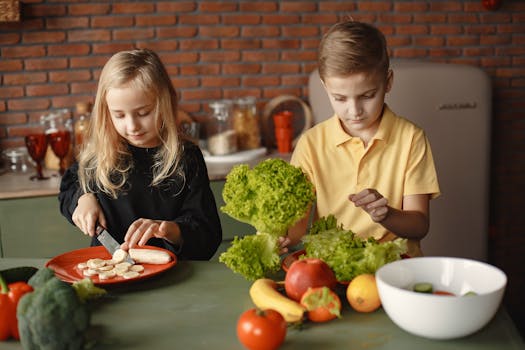
Involve the Kids: Let them help wash fruits, stir ingredients, or choose what goes into their trail mix. They’re more likely to eat something they helped make!
Invest in Good Containers: Having a variety of small, reusable containers makes portioning and packing snacks a breeze.
Wrapping Up: Your Path to Healthier Snacking
So, there you have it! Learning how to make homemade healthy snacks for kids is less about mastering complicated recipes and more about making smart choices, focusing on whole ingredients, and having a little fun with presentation. By taking these steps, you’re not only providing your children with the fuel they need to thrive but also instilling in them a positive relationship with food that can last a lifetime.
What’s one healthy snack idea you’re excited to try with your kids this week?


