
Remember when fitness trackers were just fancy pedometers? You’d strap on a gizmo, meticulously count your steps, and feel vaguely virtuous. Fast forward a few years, and we’re living in a science-fiction-esque reality where our wrists, ears, and even our socks are silently collecting data that could, quite literally, save our lives. The journey of wearable tech for health monitoring has been a wild ride, evolving from simple step counters to sophisticated personal health hubs. But with all this data streaming in, what does it really mean for us, and are we prepared to handle it? Let’s dive in, shall we?
From Novelty Gadget to Essential Health Companion
It’s easy to scoff at the idea of a device on your arm telling you to get up and move. For a while, that’s exactly what they did. But the evolution has been breathtaking. Today’s devices are capable of so much more than just nagging us about inactivity. They’re becoming our first line of defense, capable of spotting anomalies before we even feel a twinge. Think of it as having a tiny, tireless medical assistant who never sleeps, never takes a coffee break, and is always, always collecting data. It’s a bit like having a really dedicated, albeit quiet, roommate who meticulously logs your every bodily fluctuation.
Decoding Your Digital Health Fingerprint
The sheer volume of data generated by wearable tech is staggering. Heart rate, sleep patterns, blood oxygen levels, even electrocardiograms (ECGs) are now commonplace. This isn’t just about vanity metrics; it’s about building a comprehensive digital health fingerprint. For individuals managing chronic conditions, like diabetes or hypertension, these devices offer continuous, real-time insights that were previously impossible to obtain without frequent clinic visits. Imagine spotting a sudden, sustained dip in your blood sugar or an unusual heart rhythm without having to wait for your next appointment. This proactive approach to health management is truly transformative.
Early Detection: The Unsung Hero of Wearable Health
Perhaps the most profound implication of wearable tech for health monitoring lies in its potential for early detection. Devices are increasingly sophisticated, capable of identifying subtle changes that might indicate the onset of serious conditions. For instance, a consistent irregular heartbeat detected by a smartwatch could be an early warning sign of atrial fibrillation (AFib), a condition that significantly increases stroke risk. Early intervention, thanks to such a detection, can be life-altering. It’s like having a finely tuned early warning system, constantly scanning for potential threats to your well-being.
#### What’s New on the Wellness Wrist?
Advanced Sleep Tracking: Beyond just duration, wearables now analyze sleep stages (light, deep, REM), providing insights into sleep quality and potential disruptions like sleep apnea.
Blood Oxygen Monitoring (SpO2): This can be crucial for people with respiratory issues, athletes, or even those experiencing altitude sickness.
ECG Capabilities: Offering on-demand electrocardiograms to detect signs of AFib, a game-changer for cardiovascular health awareness.
Stress Level Tracking: Using heart rate variability (HRV) and other metrics to provide a score for your daily stress load, encouraging mindfulness and relaxation techniques.
Body Temperature Sensing: While still evolving, this feature holds promise for tracking ovulation cycles and detecting early signs of illness.
The Data Deluge: Empowering or Overwhelming?
Now, let’s address the elephant in the room (or perhaps, the data point on the screen). With so much information at our fingertips, there’s a real risk of becoming overwhelmed. Constantly checking your stats can lead to “health anxiety,” where minor fluctuations become cause for undue concern. It’s a delicate balance, isn’t it? We want to be informed, not incapacitated by information overload.
This is where user experience and intelligent app design become paramount. The goal is to present data in a way that is actionable and understandable, not just a confusing cascade of numbers. Furthermore, understanding context is key. A slightly elevated heart rate after a brisk walk is normal; the same reading while you’re watching a documentary might warrant a closer look.
When Your Smartwatch Meets Your Doctor
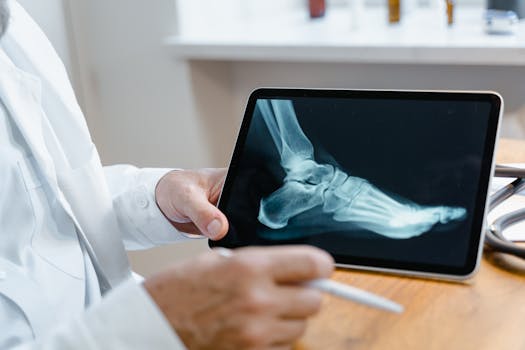
The integration of wearable health data into clinical practice is still in its nascent stages, but the potential is immense. Imagine a doctor having access to months, or even years, of your vital signs, providing a much richer picture than a snapshot taken during a brief appointment. This could lead to more personalized treatment plans and a deeper understanding of how lifestyle factors truly impact your health.
However, there are crucial considerations. Data privacy is, of course, a major concern. Ensuring that this sensitive information is securely stored and used ethically is non-negotiable. Furthermore, doctors need to be trained to interpret this data effectively, and patients need to understand its limitations. A wearable device is a powerful tool, but it’s not a substitute for professional medical advice.
#### Questions to Ponder Before You Dive Deep:
Am I ready to commit to regularly reviewing my health data?
Do I understand what a “normal” reading looks like for me, versus a potential concern?
How will I discuss this data with my healthcare provider?
The Future is Wearing Health
The trajectory of wearable tech for health monitoring is undeniably upwards. As sensor technology advances and algorithms become more sophisticated, we can expect even more groundbreaking capabilities. From non-invasive glucose monitoring to personalized nutrition recommendations based on your body’s unique responses, the future promises a level of proactive health management that was once the stuff of science fiction.
One thing to keep in mind is that these devices are constantly learning and evolving, just like our understanding of health itself. The key is to approach them with a blend of enthusiasm for their potential and a healthy dose of critical thinking. They are not magic bullets, but rather incredibly powerful tools that, when used wisely, can empower us to live healthier, more informed lives. So, strap on that device, but remember to also listen to your body and, most importantly, to your doctor. It’s a partnership, after all, and your health is the ultimate prize.